Get Commercial Pavement Sealing
Commercial pavement sealing services help property owners protect and extend the life of parking lots, driveways, and other paved surfaces by preventing damage and reducing maintenance needs.
If you're considering pavement sealing for a commercial property, you’re in the right place to explore your options. Proper sealing can help protect parking lots, driveways, and walkways from weather-related damage, extending their lifespan and maintaining a professional appearance. Property owners often turn to local contractors to ensure the work is done with quality and durability in mind, making it easier to find reliable service providers who understand the specific needs of the area.
Comparing local contractors specializing in commercial pavement sealing allows property owners to evaluate the services available and choose the best fit for their project. Whether maintaining a retail center, office complex, or industrial site, working with experienced service providers can help ensure the job is completed effectively. Keep reading to discover how local experts can help safeguard and enhance your property's paved surfaces.
- Parking Lot Pavement Sealing - needed to protect and extend the lifespan of parking lots for retail centers and commercial properties.
- Driveway Sealing for Businesses - ideal when commercial driveways show signs of wear or cracking, requiring maintenance to prevent further damage.
- Industrial Pavement Sealing - suitable for warehouses and manufacturing facilities seeking to safeguard large paved areas from heavy equipment traffic.
- Sidewalk and Walkway Sealing - recommended when sidewalks and walkways are showing surface deterioration or cracks that need sealing.
- Loading Dock Pavement Sealing - necessary to maintain the durability of loading areas exposed to frequent vehicle and foot traffic.
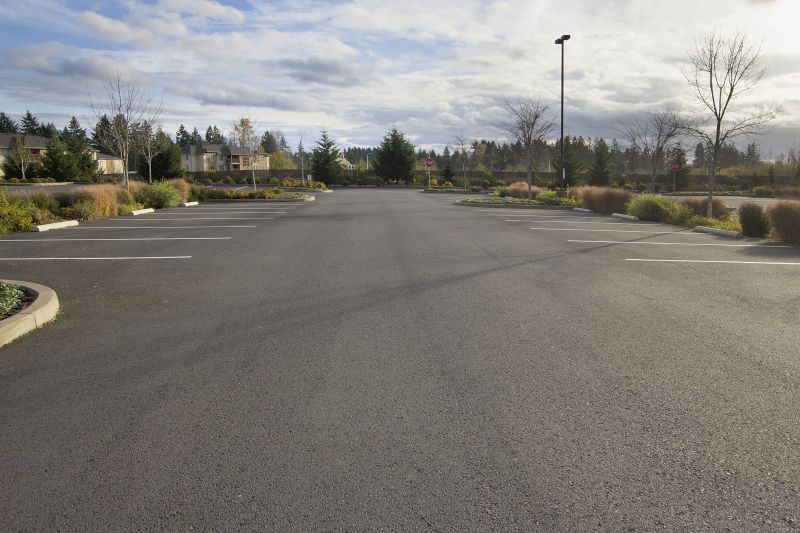
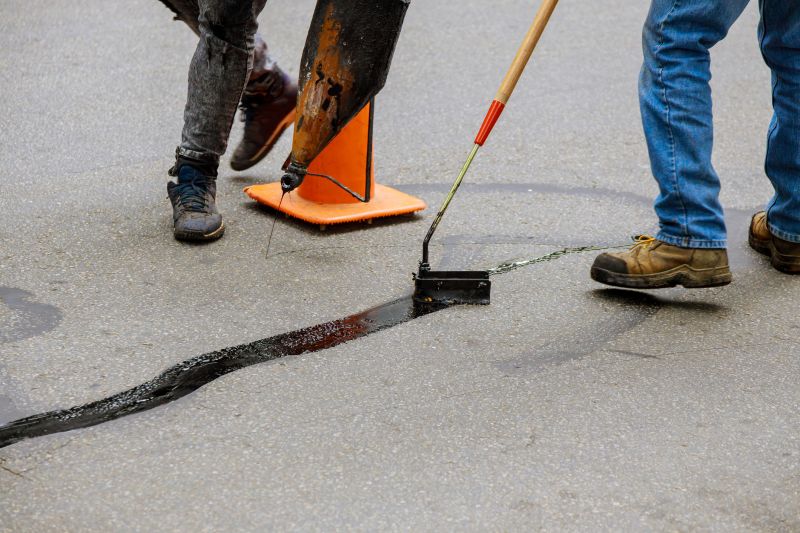
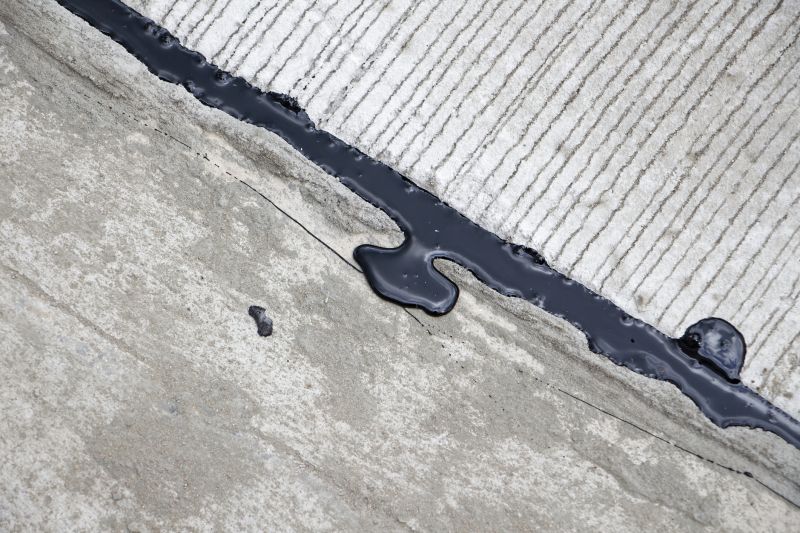
Commercial pavement sealing services involve applying a protective coating to asphalt surfaces such as parking lots, driveways, and walkways. This process helps to create a barrier against moisture, UV rays, and chemicals that can cause the asphalt to deteriorate over time. The sealing material is typically a coal tar or asphalt-based product that is carefully spread over the surface to ensure even coverage. Properly sealed pavement can maintain its appearance and integrity, extending its lifespan and reducing the need for costly repairs in the future.
One of the primary problems that pavement sealing addresses is surface cracking and surface wear caused by exposure to the elements and regular use. Without protection, asphalt can become brittle, leading to cracks and potholes that compromise safety and functionality. Sealing helps to fill small cracks and prevent water from seeping into the underlying layers, which can cause further damage. Additionally, sealing can improve the overall look of a property by restoring a smooth, uniform appearance, making it more inviting and professional in appearance.
Properties that commonly utilize pavement sealing services include commercial parking lots, retail centers, industrial facilities, and apartment complexes. These areas experience frequent traffic and heavy use, making regular maintenance essential to preserve their condition. Business owners and property managers often choose sealing to protect their investment, maintain safety standards, and improve curb appeal. Even some larger residential properties, such as community driveways or private parking areas, may benefit from sealing to keep asphalt surfaces in top condition and prevent early deterioration.
Homeowners or property managers who notice signs of aging on their asphalt surfaces-such as fading, cracking, or surface wear-may consider pavement sealing as a practical solution. Sealing can help slow down the aging process, reduce the likelihood of potholes, and keep parking areas looking neat and well-maintained. It is a straightforward way to protect asphalt surfaces from the damaging effects of weather and daily use, ultimately helping to preserve the value and safety of a property. Local contractors can provide more information on whether sealing is suitable for specific asphalt surfaces and how it can benefit individual properties.
The overview below groups typical Commercial Pavement Sealing projects into broad ranges so you can see how smaller, mid-sized, and larger jobs often compare in your area.
In many markets, a large share of routine jobs stays in the lower and middle ranges, while only a smaller percentage of projects moves into the highest bands when the work is more complex or site conditions are harder than average.
Small Repairs - Typically, minor sealing projects for parking spots or small driveways range from $250-$600. Many routine jobs fall within this middle range, with fewer projects reaching the higher end for additional prep work or repairs.
Medium-Sized Areas - Larger parking lots or commercial walkways usually cost between $1,000-$3,000. These projects are common for many local contractors and often involve multiple coats or surface prep.
Large Commercial Projects - Extensive sealing for large parking garages or industrial areas can range from $3,500-$8,000. Such projects are less frequent but are essential for maintaining high-traffic surfaces.
Full Replacement or Major Resurfacing - Complete pavement sealing or replacement projects can exceed $10,000, with larger, more complex jobs reaching $20,000+ depending on size and surface condition. These are typically less common and involve significant surface preparation and materials.
Actual totals will depend on details like access to the work area, the scope of the project, and the materials selected, so use these as general starting points rather than exact figures.
Pavement Repair and Resurfacing - Local contractors handling pavement sealing often perform repair and resurfacing work to prepare surfaces, requiring similar planning and surface preparation skills.
Parking Lot Striping and Marking - This project involves surface prep and precise application techniques that align with the skills used in pavement sealing to ensure clear, durable markings.
Asphalt Crack Filling - Crack filling requires surface assessment and the use of specialized tools, skills also essential for effective pavement sealing projects.
Concrete Surface Sealing - Applying sealants to concrete surfaces involves similar surface preparation and sealing techniques as pavement sealing for asphalt.
Driveway Paving and Resurfacing - These projects involve surface leveling and finishing that complement the skills used in sealing commercial pavements.
Line Striping for Roadways - This work involves surface preparation and precise application, sharing techniques with pavement sealing for durability and clarity.
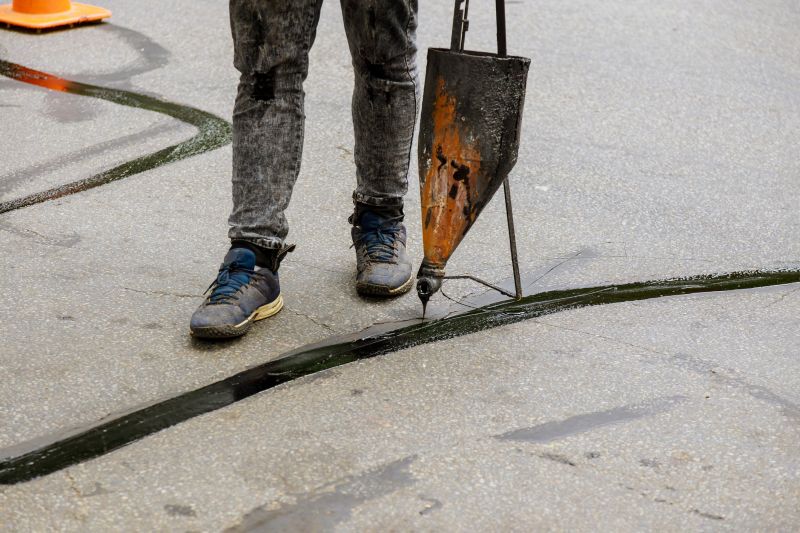
When comparing commercial pavement sealing service providers, it’s important to consider their experience with similar projects. Homeowners should seek out local contractors who have a proven track record of handling projects comparable in size and scope. An experienced service provider will understand the specific challenges that come with sealing commercial surfaces and can offer insights into the best materials and techniques to ensure a durable, long-lasting result. Asking about past work or reviewing portfolios can help gauge whether a contractor’s expertise aligns with the needs of the current project.
Clear written expectations are essential for a smooth and successful sealing process. Homeowners should aim to work with service providers who can provide detailed descriptions of the scope of work, materials to be used, and the steps involved. Having this information in writing helps prevent misunderstandings and sets a baseline for what to expect. It’s also beneficial to clarify any questions about the process upfront, ensuring that both parties are aligned on the project’s goals and deliverables before work begins.
Reputable references and good communication are key indicators of a reliable service provider. Homeowners can ask local contractors for references from previous clients, especially those who had similar projects completed. Contacting these references can provide insights into the contractor’s professionalism, quality of work, and ability to meet expectations. Additionally, a service provider who demonstrates clear, prompt, and transparent communication throughout the inquiry process is more likely to maintain a positive working relationship. Remember, this site introduces homeowners to local options for commercial pavement sealing services, but the work itself is performed by independent contractors who can meet these important criteria.
Property owners use Commercial Pavement Sealing services for practical projects around their homes and businesses. This guide focuses on everyday jobs and straightforward project options.
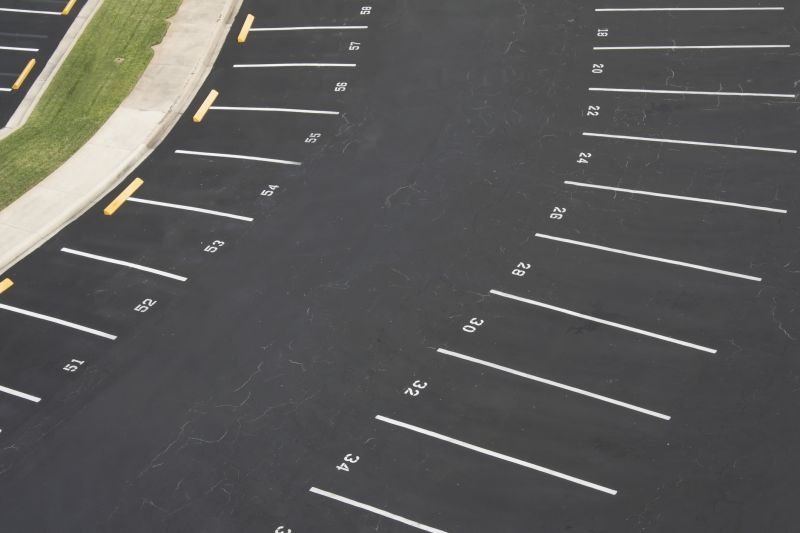
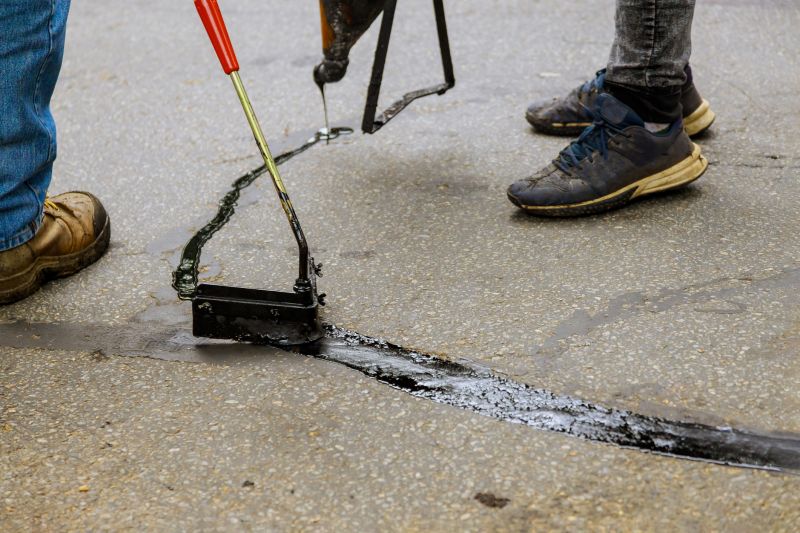
Commercial pavement sealing is a common service requested by property owners looking to maintain the appearance and durability of their parking lots and driveways. Whether managing a retail center, office complex, or industrial site, many local property owners seek to protect their paved surfaces from weather damage, oil stains, and everyday wear and tear. Local contractors can help improve curb appeal, prevent cracks and potholes, and extend the lifespan of existing pavement, making it a practical choice for maintaining a professional and safe environment.
In addition to aesthetic benefits, property owners often turn to local service providers for pavement sealing to reduce long-term repair costs and minimize disruptions caused by surface deterioration. Regular sealing can help safeguard against moisture infiltration and surface cracks that might otherwise lead to costly repairs or replacements. By connecting with experienced local contractors, property managers and owners can find solutions tailored to their specific needs, ensuring their paved areas remain functional and visually appealing for years to come.
What is commercial pavement sealing? Commercial pavement sealing involves applying a protective coating to parking lots, driveways, and other paved surfaces to help prevent damage from weather, oil spills, and daily wear.
Why should a business consider pavement sealing? Sealing can extend the lifespan of pavement, improve appearance, and reduce the likelihood of cracks and potholes developing over time.
What types of local contractors handle pavement sealing? Experienced service providers specializing in pavement maintenance and sealing services can handle commercial sealing projects for various property types.
How often should pavement sealing be performed? While specific recommendations vary, many property owners opt for sealing every few years to maintain optimal surface protection.
What surfaces are suitable for commercial pavement sealing? Asphalt and other paved surfaces used in commercial settings are typically suitable for sealing to preserve their integrity and appearance.
Parking Lot Maintenance - Property owners can keep their parking areas looking professional and well-maintained by sealing cracks and protecting surfaces from weather damage.
Driveway Preservation - Sealing a residential driveway helps prevent damage from oil spills, UV rays, and everyday wear, extending its lifespan.
Commercial Property Curb Appeal - Business owners can improve the appearance of their storefronts by sealing and protecting walkways and parking lots.
Property Value Enhancement - Proper sealing of paved surfaces can boost curb appeal and help maintain the overall value of a property over time.
If you are thinking about Commercial Pavement Sealing for a property, this guide is meant to help you understand the work, the typical project types, and how different options might fit your plans.
When you are ready, you can use the quote form on this page to share a few details about your project. From there, local pros can review the basics and respond with options that match what you have in mind.